What are Fodmaps?
FODMAPs are a group of sugars that are not completely digested or absorbed in our intestines. When FODMAPs reach the small intestine, they move slowly, attracting water. When they pass into the large intestine, FODMAPs are fermented by gut bacteria, producing gas as a result. The extra gas and water cause the intestinal wall to stretch and expand.
The F in Fodmaps
Fermentable – The process through which the gut bacteria ferments undigested carbohydrates to produce gas.
The O
Oligosaccharidess – Fructans & GOS – found in foods such as wheat, rye, onions, garlic and legumes/pulses.
The D
Disaccharides – Lactose – found in dairy products like milk, soft cheeses and yogurts.
The M
Monosaccharides – Fructose – found in honey, apples, high fructose corn syrups, etc.
The P
Polyols- Sorbitol and Mannitol – Found in some fruit and vegetables and used as artificial sweeteners.
Now let’s watch a video on You Tube to see it all in action https://youtu.be/stdYoA4G9Dg?si=LOfpopQj4QtynfzR
Put Simply………
FODMAPs are a collection of short-chain carbohydrates (sugars) that aren’t absorbed properly in the gut, which can trigger symptoms in people with IBS.
FODMAPs are found naturally in many foods and food additives.
What happens when you eat Fodmaps?
- FODMAPs are found in a wide range of foods, and most people eat high FODMAP foods every day without issue. When FODMAPs are eaten, they move slowly through the small intestine attracting water. When they reach the large intestine, gut bacteria uses the FODMAPs as a fuel source to survive. The bacteria rapidly ferments FODMAPs, producing gas as a result.
- These events occur in all people (i.e. people with and without IBS). The difference is that people with IBS can have problems with motility (the speed at which contents move through the intestines) and/or a highly sensitive gut wall. The extra water and gas in the intestines, causes the intestinal wall to stretch and expand and results in common IBS symptoms such as pain, excessive wind, bloating, distension and altered bowel habit (diarrhoea, constipation or both).
Where are Fodmaps found?
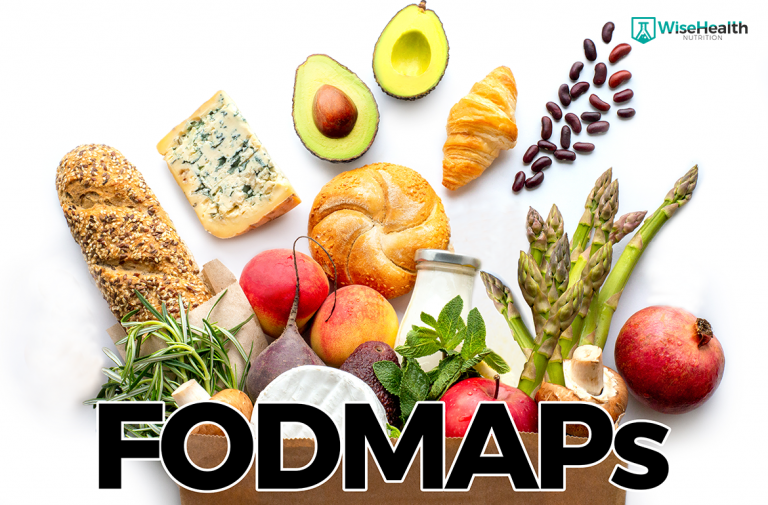
FODMAPs are found in a wide range of foods, such as fruits, vegetables, breads, cereals, nuts, legumes and confectionery.
The Fodmap diet
A FODMAP diet is intended is for people with medically diagnosed IBS. If a medical doctor has not diagnosed your gastrointestinal symptoms, you should not be following this diet. There are many conditions with symptoms that are similar to IBS, such as coeliav disease, inflammatory bowel disease, endometriosis and bowel cancer. You should not self-diagnose yourself with IBS. Instead, see a medical doctor who will assess your symptoms, run any tests needed to rule out other conditions and give you a clear diagnosis of IBS before you start this diet.
Benefits
- The benefits of a low Fodmap diet on Eg IBS symptoms showed 3 out of 4 people had improvements of IBS symptoms on the diet.
- Because of these results it is now the first port of call recommended as a treatment for IBS suffers.
- Benefits include-
- Reduce pain and discomfort
- Reduce bloating and distension
- Improve bowel habit (reduce diarrhoea or constipation)
- Improve quality of life.
- These benefits are usually seen within 2-6 weeks of following a low FODMAP diet
- The diet does not cure IBS symptoms, it just helps people to live more comfortably with their condition.
- Improves digestive comfort and all round health.
- Gives a better quality of life
As always please seek the advice from your GP before starting on any new health regime.