YOUR BRAIN ON FOOD
Think about it. Your brain is always “on.” It takes care of your thoughts and movements, your breathing and heartbeat, your senses — it works hard 24/7, even while you’re asleep. This means your brain requires a constant supply of fuel. That “fuel” comes from the foods you eat — and what’s in that fuel makes all the difference. Put simply, what you eat directly affects the structure and function of your brain and, ultimately, your mood.
Like an expensive car, your brain functions best when it gets only premium fuel.
Eating high-quality foods that contain lots of vitamins, minerals, and antioxidants nourishes the brain and protects it from oxidative stress — the “waste” (free radicals) produced when the body uses oxygen, which can damage cells. Unfortunately, just like an expensive car, your brain can be damaged if you ingest anything other than premium fuel. If substances from “low-premium” fuel (such as what you get from processed or refined foods) get to the brain, it has little ability to get rid of them. Diets high in refined sugars, for example, are harmful to the brain.
In addition to worsening your body’s regulation of insulin, they also promote inflammation and oxidative stress. Multiple studies have found a correlation between a diet high in refined sugars and impaired brain function — and even a worsening of symptoms of mood disorders, such as depression.
It makes sense. If your brain is deprived of good-quality nutrition, or if free radicals
or damaging inflammatory cells are circulating within the brain’s enclosed space, further contributing to brain tissue injury, consequences are to be expected.
HOW THE FOODS YOU EAT AFFECT YOUR
MENTAL HEALTH
Serotonin is a neurotransmitter that helps regulate sleep and appetite, mediate moods, and inhibit pain. Since about 95% of your serotonin is produced in your gastrointestinal tract, and your gastrointestinal tract is lined with a hundred million nerve cells, or neurons, it makes sense that the inner workings of your digestive system don’t just help you digest food, but also guide your emotions.
What’s more, the function of these neurons — and the production of neurotransmitters like serotonin — is highly influenced by the billions of “good” bacteria that make up your intestinal microbiome. These bacteria play an essential role in your health. They protect the lining of your intestines and ensure they provide a strong barrier against toxins and “bad” bacteria; they
limit inflammation; they improve how well you absorb nutrients from your food; and they activate neural pathways that travel directly between the gut and the brain.
Pay attention
The power of food to affect our mood is unbelievably powerful and almost totally overlooked.
Start paying attention to how eating different foods makes you feel — not just in the moment, but the next day.
Try eating a “clean” diet for two to three weeks — that means cutting out all processed foods and sugar. See how you feel. Then slowly introduce foods back into your diet, one by one, and see how you feel.
When some people “go clean,” they cannot believe how much better they feel both physically and emotionally, and how much worse they then feel when they reintroduce the foods that are known to enhance inflammation.
The science behind food and mood
The link between diet and emotions stems from the close relationship between your brain and your gastrointestinal tract, often called the “second brain.”
Here’s how it works: Your GI tract is home to billions of bacteria that influence the production chemical substances that constantly carry messages from the gut to the brain. Two common examples of this are dopamine and serotonin.
Eating nutritionally dense food promotes the growth of “good” bacteria, which in turn positively affects the production of these chemicals. When production is optimal, your brain receives these positive messages loud and clear, and your mental state can reflect it. On the other hand, when production goes awry, so might your mood.
Sugar, in particular, is considered a major culprit of inflammation. It feeds “bad” bacteria in the GI tract.
Ironically, it can also cause a temporary spike in “feel good” chemicals like dopamine. “You don’t want that either”, “These spikes result in a fleeting sugar rush, followed by a hard crash.”
When you stick to a diet of nutrient-rich foods, you’re setting yourself up for fewer mood swings and an improved ability to focus. Studies have even found that clean diets consisting of mainly whole, unprocessed foods, can help with symptoms of depression and anxiety. Whereas unhealthy diets have been linked to an increased risk of dementia or stroke.
Foods that help you be healthy
So, what should you put in your trolley and on your plate? Here’s a quick overview of what to look
for next time you’re in the grocery store.
Whole foods – Think fresh fruits and vegetables in a variety of colour’s. The powerful nutrients produced by colourful produce have tons of benefits for the mind and body. Their nutritional
properties are often contained in the colours themselves. By including naturally colourful foods in
our diet, we make it much easier for our bodies to get more vitamins and nutrients and reap the
many physical and psychological benefits.
Fibre-Plant-based foods are full of fiber, which helps your body absorb glucose (food sugars) more slowly. This helps you avoid sugar rushes and crashes. Fiber-rich foods include fruits, vegetables,
and nutrient-filled carbs like whole grains and beans.
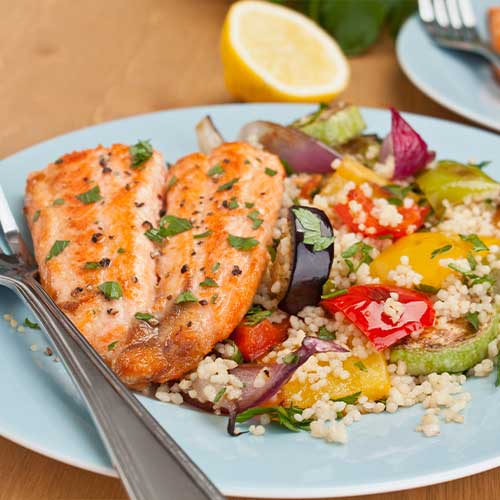
Antioxidants- These inflammation fighters are especially plentiful in berries, leafy green vegetables, the spice turmeric, and foods with Omega-3 fatty acids, including salmon and black chia seeds. Dark chocolate also contains antioxidants – and sugar – so indulge in moderation!
Foods that help you be healthy
Folate- This type of B vitamin helps with dopamine production without forcing it to surge the way sugars do. Find it in leafy greens, lentils and cantaloupes.
Vitamin D-Vitamin D helps with the production of serotonin, and we usually get it from
exposure to sunlight. But mushrooms are another good source. If you’re deficient in
vitamin D, your doctor may also recommend taking a supplement.
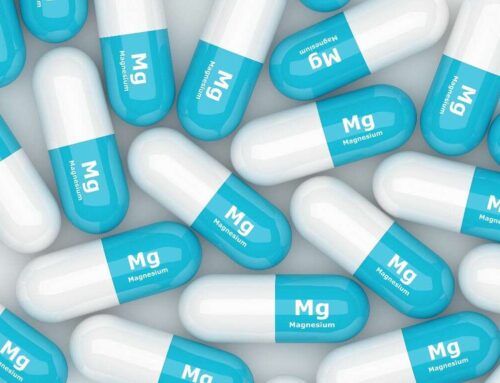
Magnesium-This essential mineral helps with everything from nerve and muscle function to keeping a steady heartbeat. But it’s also vital to the food-mood connection. A
mineral deficiency can hurt the bacteria in your gut and cause depression and anxiety- like symptoms. Load up with natural sources such as cacao nibs, almonds and cashews,
spinach and other dark leafy greens, bananas and beans.
Fermented foods-Fermented foods are packed with probiotics, which are certain live
bacteria that are good for your digestive tract. Examples include sauerkraut, kimchi,
miso, tempeh and the fermented drink kombucha. These foods also tend to be high in
sodium, so consume in moderation or skip altogether if you have high blood pressure.
Take Home’s
Stay hydrated- keep your fluid intake in check.
Healthy swaps white rice and paste to brown rice and pasta.
Don’t try too many changes at once, see how one change affects you then add another in.
Add in more vegetables and lean meats.
Be present when eating, take in what you are eating…mindful eating, this can combat cravings and over-eating.