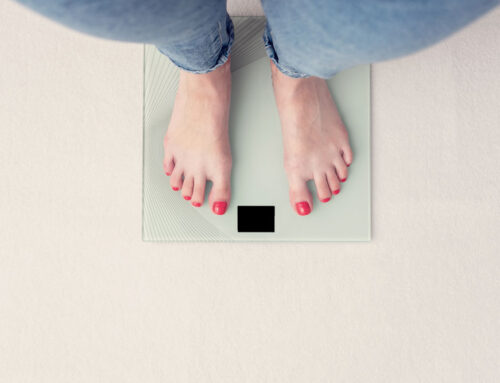
Should you weigh yourself and if so, how often?
Frequent weigh-ins are significantly correlated with weight loss compliance and weight loss success, as well as weight loss maintenance. Weighing yourself consistently also helps to prevent holiday weight gain and diets that involve self-weighing are more effective to lose weight than diets that don’t require weight monitoring.
Weighing yourself is not a burden. It’s a form of control. So, weigh yourself daily in the morning after having gone to the bathroom and before you’ve eaten. It’s a simple habit that requires only a trivial amount of time and it enables you to log your weekly average weight trend, which is incredibly useful data about your diet progress.
That said, weighing yourself at any other time of the day than fasted in the morning is futile, as your weight will be majorly confounded by multiple factors. Your weight goes down after you go to the bathroom. When you eat or drink it goes up. So, if you’re 2/3/4/5lbs heavier in the afternoon compared to the morning, all this means is that you drank an extra glass of water that you haven’t excreted yet. So always weigh in the morning.
More generally, daily weight fluctuations mean practically nothing. Several factors impact your day-to-day weight that say nothing about your physique.
- Mass in the digestive tract. You could be a pound heavier than yesterday simply because today you haven’t gone to the bathroom yet, whereas yesterday you did.
- Water Retention. Chemically speaking, your body consists mostly of water. Your total water weight can and does vary on a daily basis as a result of many factors, including your consumption of water and minerals, sodium in particular, as well as your diet composition.
- Glycogen storage. Changes in carbohydrate intake and other dietary factors can impact your total body’s glycogen storage level. Each gram of intramuscular glycogen attracts 3g of water into the muscle, which can add up to a weight change of several hundred grams.
- How beautiful you are
- How loveable you are
- How intelligent you are
- How healthy you are
- What you’re worthy of
- What you’re capable of